Musings
Short essays from the studio — reflections, life lessons, and quiet notes on light, land, locations, and the wilderness.
Why I Rise Early
I have been awake before sunrise on roughly nine thousand mornings, and every one of them has paid back something I would have lost in bed.
Life Through a Lens
A camera is not a way of recording the world. It is, if you let it be, a way of being instructed by it.
Patience as the Whole Practice
Fifty years has not made me a better photographer. It has made me a more patient one. These turn out, in the end, to be the same thing.
The Discipline of Stillness
If you cannot sit on a rock for two hours without taking out your phone, you cannot photograph a landscape. The two skills are the same skill.
What an Unsuccessful Day Teaches
I have driven home from more two-thousand-mile trips with no photograph than with one. I do not think of those trips as failures. I think of them as the price.
What Fifty Years Has Taught Me
Three things, and only three: that the light is the subject, that the patience is the work, and that you are very, very lucky to be doing this at all.
The Fifty-Second Light
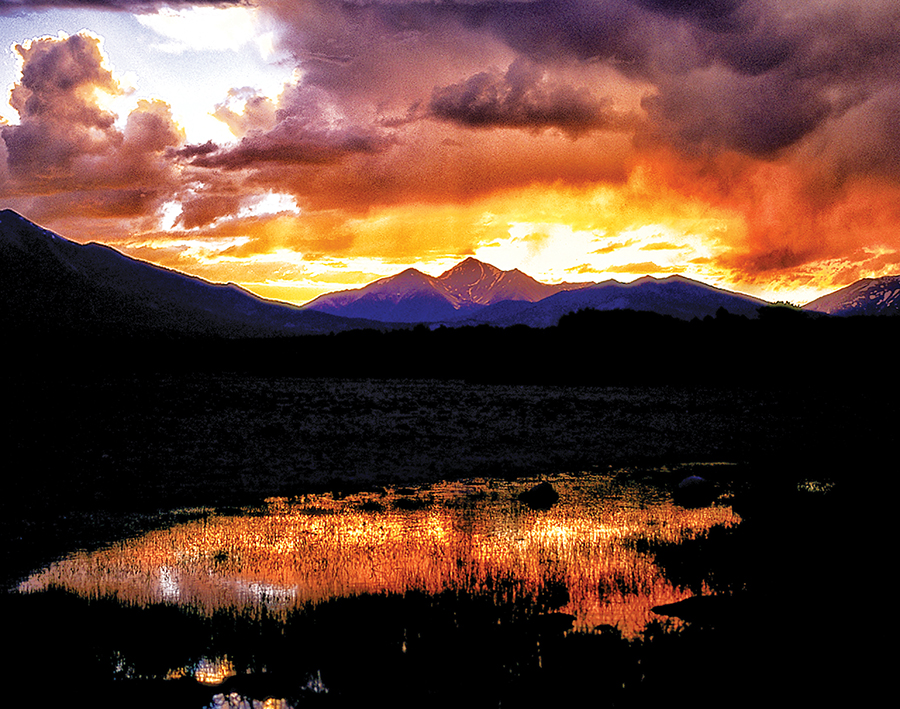
Every alpine sunset gives you about fifty seconds of real photograph. The thirty minutes before are a kind of conversation; the fifty seconds are an argument you either win or lose.
On Alpine Glow
The pink on the peaks at dusk is the longest-traveled light most of us will ever see. It is also, almost always, photographed badly.
The Blue Hour, Properly Observed
It is not actually an hour, and it is rarely blue. But there are about eighteen minutes of evening when a winter landscape opens itself to a camera in a way it will not do at any other time.
Why I Wait for Storms
The five minutes before a storm and the five minutes after are the only weather a serious landscape photographer is really after. The hours in between are for amateurs.
Reflected Light on Snow
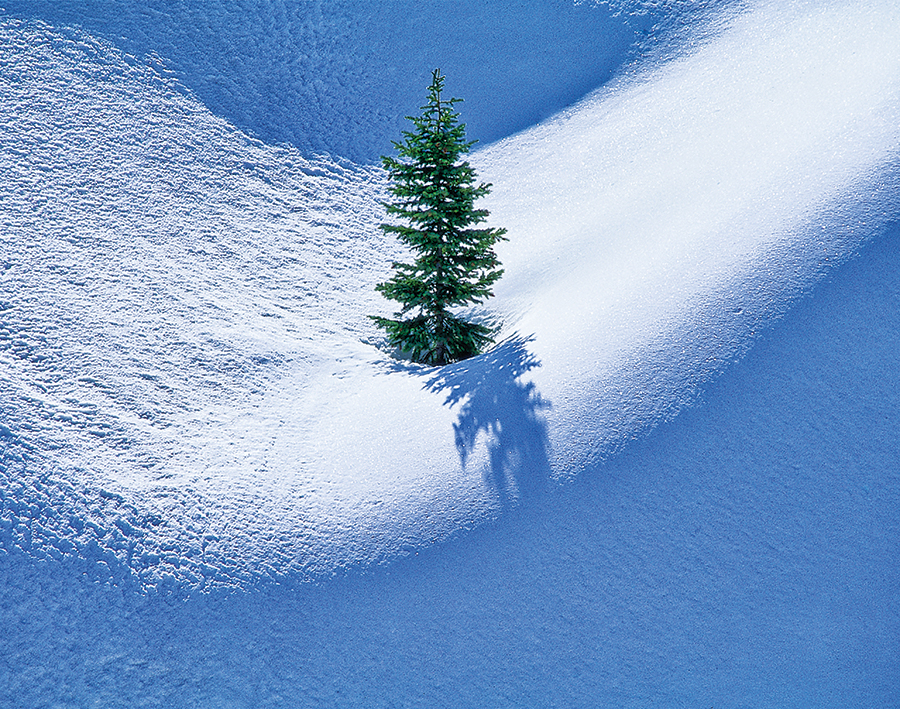
Snow is a mirror, and mirrors are not subjects. The question is always: what is the snow showing you?
The Light Before the Light
The half-hour before sunrise is the most under-photographed half-hour of the day, for the simple reason that it requires having gotten up an hour earlier than you wanted to.
A Brief Geology of Maroon Lake
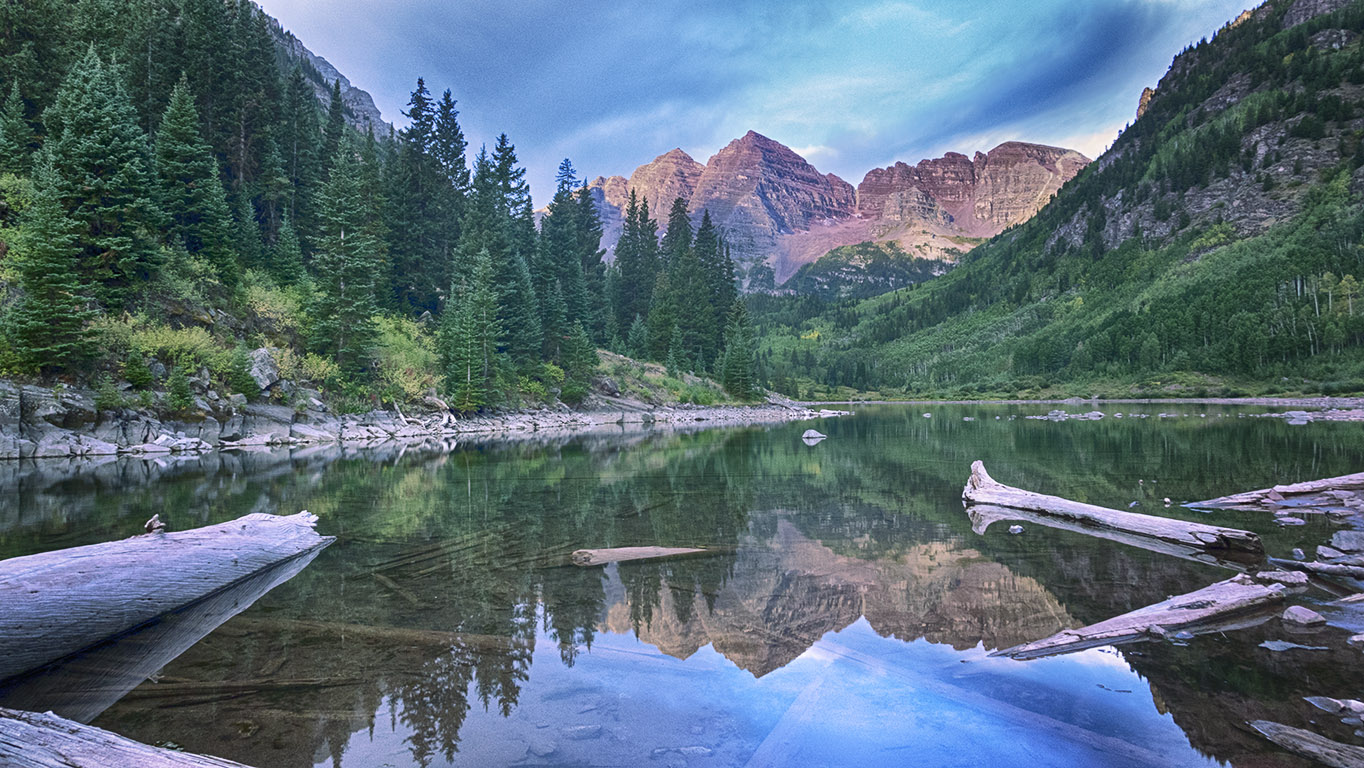
The Bells are not, technically, the most photogenic peaks in Colorado. They are the most photographed because they are exactly the right distance from a reflecting pond — and because the pond is at the end of a paved road.
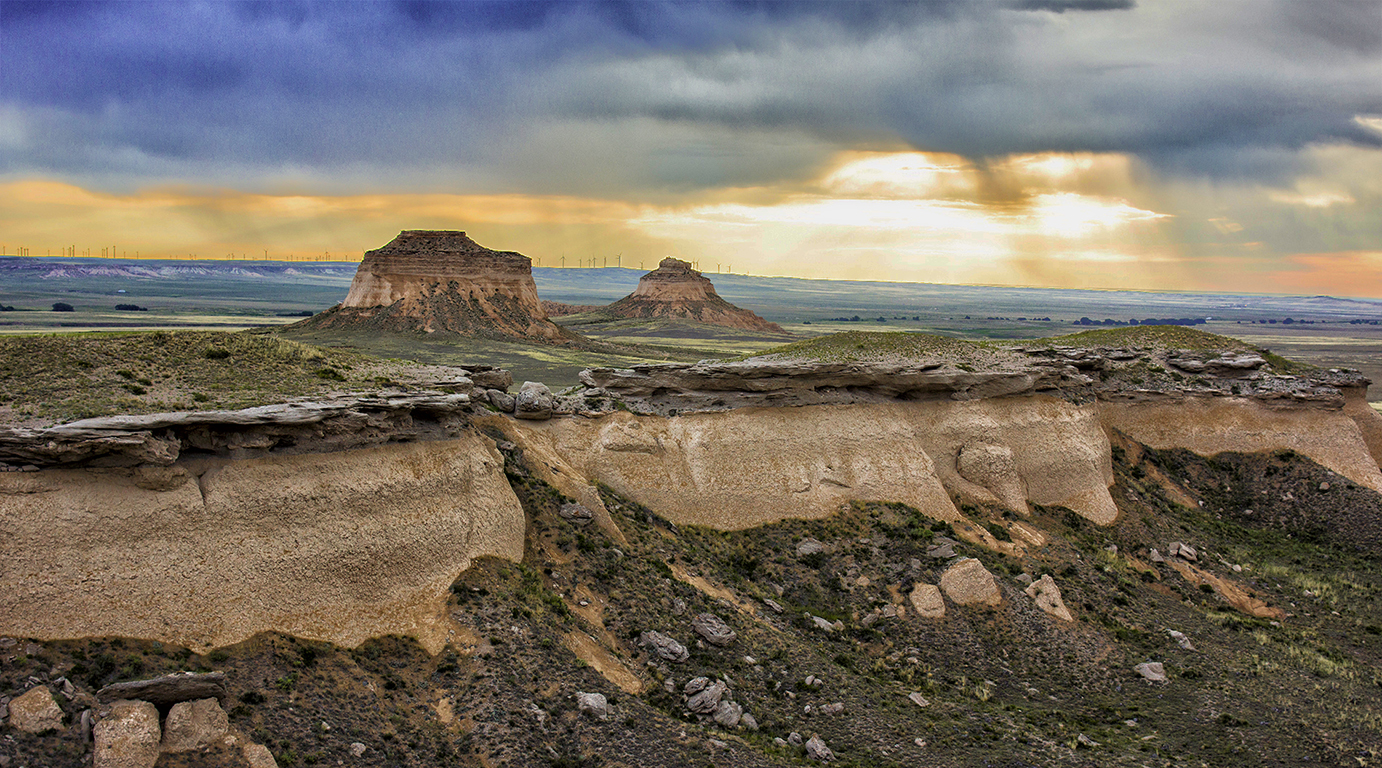
The Pawnee, A Working Theory
Colorado is famous for its mountains and quietly excellent at its prairies. The Pawnee Buttes are the case in point and the rebuttal at once.
On the Discipline of Foreground
Every landscape photograph begins as a portrait of something six feet in front of you. The mountains are background. They have always been background. Treat them that way.
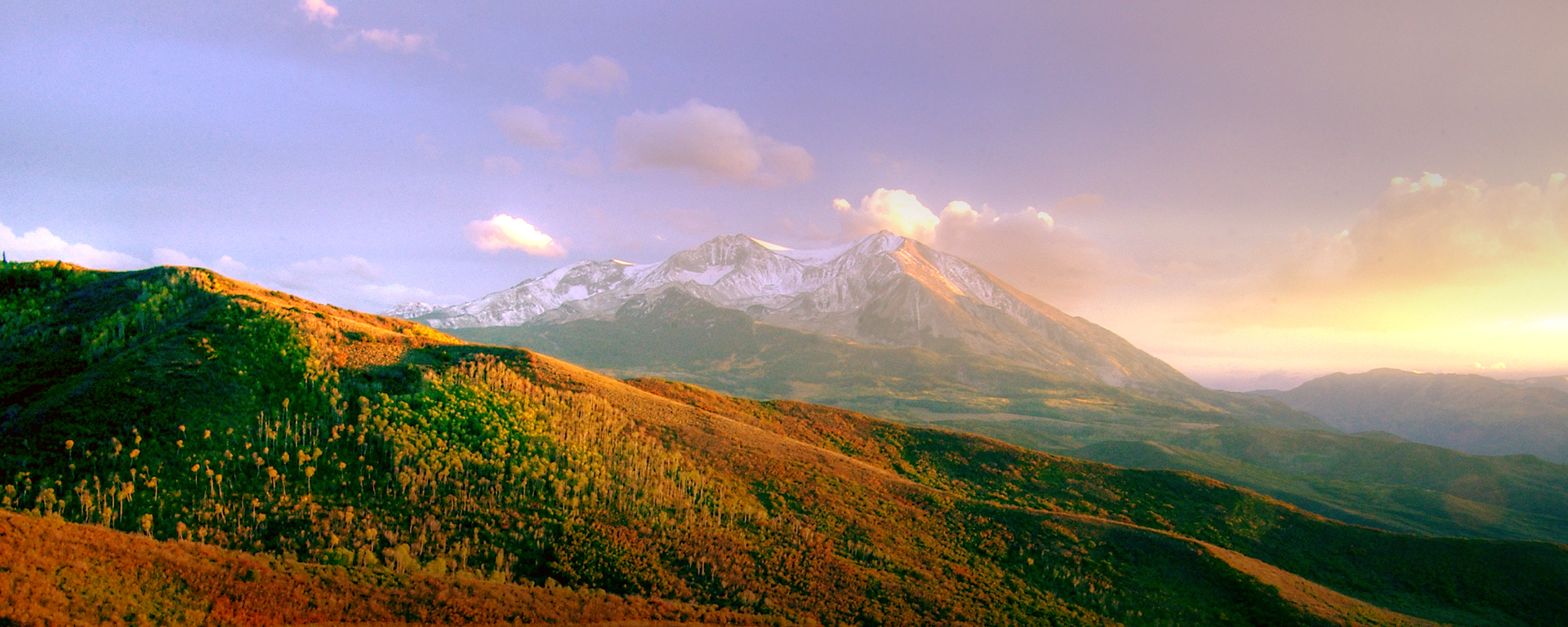
The Sopris, Three Times
I have made roughly three thousand photographs of Mount Sopris. Three of them are any good.
Plains and Prairie, A Distinction
The two words are used interchangeably and they should not be. The Plains are a thing geography does. A prairie is a thing the plains can be.
The Architecture of a Cirque
A cirque is the building a glacier left behind. Knowing how it was built changes what you photograph in it.
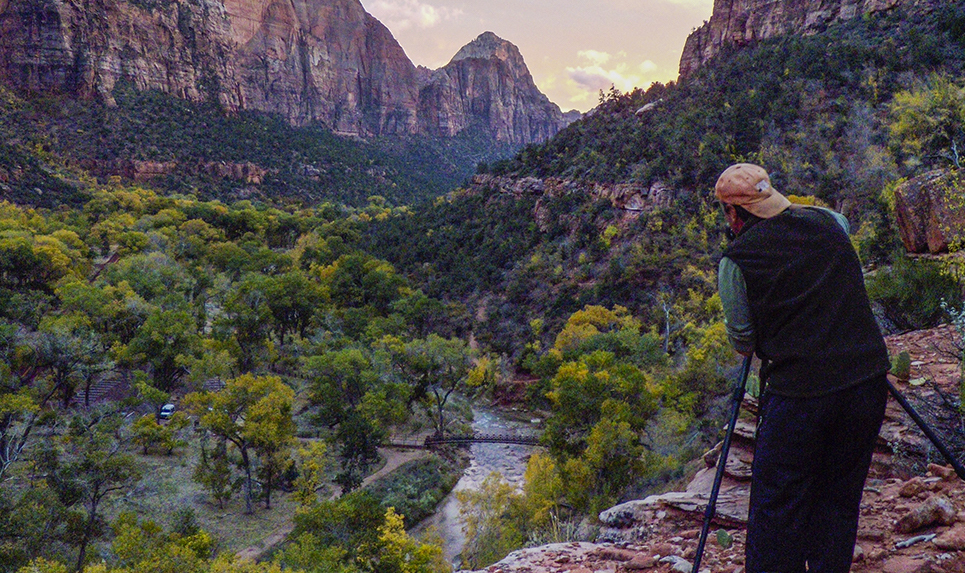
Cottonwood Pass, in October
Cottonwood is the pass I have driven the most often, the one I know the best, and — by a considerable margin — the one I have failed at the most.
Independence, A Long Romance
Independence Pass is the second pass in Colorado that you should fail at for a decade before you have the right to photograph it.
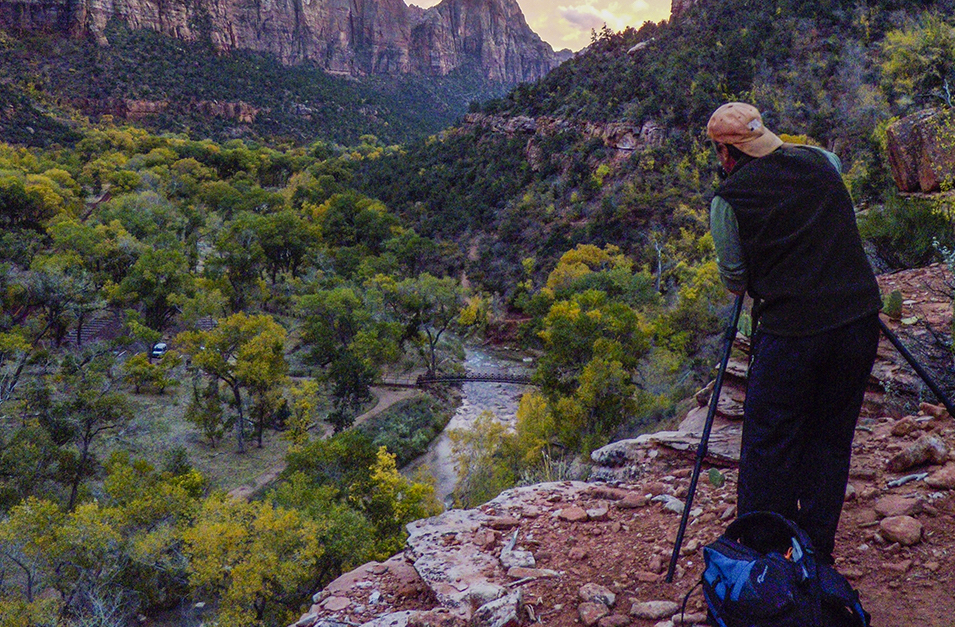
Zion in the Off-Season
Zion in November is a different park. The cottonwoods have gone gold. The river is glass. The shuttle is not running. The famous overlooks are nearly empty.
The Flatirons from Below
The Flatirons are most often photographed from the meadows below them, in summer, near sunset. There is a reason. There is also, occasionally, an alternative.
Red Mountain Pass, in February
Red Mountain Pass in February is the most dangerous and most rewarding drive in the state. I have done it fifty-three times. Half of those, I would not do again.
Notes from the Roan Plateau
The Roan is the second-least-photographed major landform in the state. Probably because the road in is not paved.
On Solitude, Working Alone
I have worked almost entirely alone for fifty years. The first ten of those years I thought this was a deficiency. The next thirty I came to understand as a method.
The Bear at Cottonwood
In September of 2014 a black bear walked across my composition on Cottonwood Pass. I made the photograph. I do not show it to anyone.
What We Carry Out
I have carried more film, gear, lunch, and water out of the backcountry than into it. The first time I did so was an accident. Every time since has been a deliberate practice.
A Defense of the Quiet Trail
Half of what I have photographed in fifty years was made within four miles of the nearest road. The famous wildernesses are largely overrated. The quiet trail next door is largely under-loved.
On Conservation, Briefly
Photography of wild land is, whether we like it or not, advocacy for wild land. The question is what kind of advocacy.
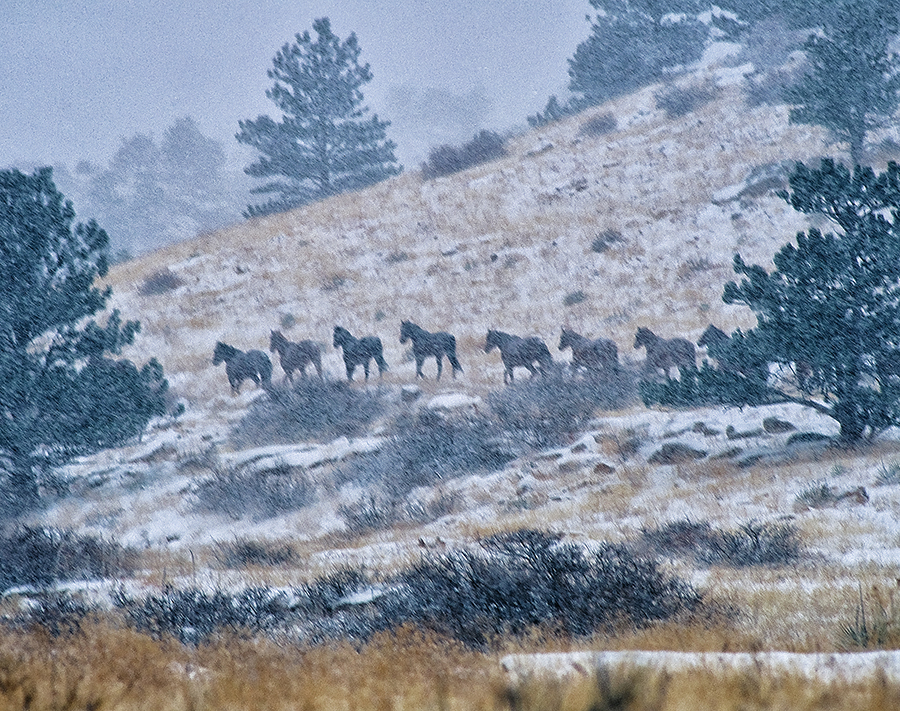
The Wild Horse, Late Winter
There are an estimated seven hundred wild horses on the northern Colorado range. I have photographed two bands. Both photographs took years.